
Aeration & overseeding in Guelph
Compacted soil chokes a lawn from below. Core aeration opens it up — and overseeding fills it in.
Give the roots room to breathe
Guelph’s clay-heavy soils compact easily under foot traffic, rain and time. Core aeration pulls small plugs of soil from the lawn so water, air and nutrients can actually reach the roots — the single best mechanical treatment for a tired lawn.
- Relieves compaction so roots grow deeper
- Improves water absorption and drainage
- Best in spring or early fall while grass is actively growing
- Plugs break down naturally within a couple of weeks
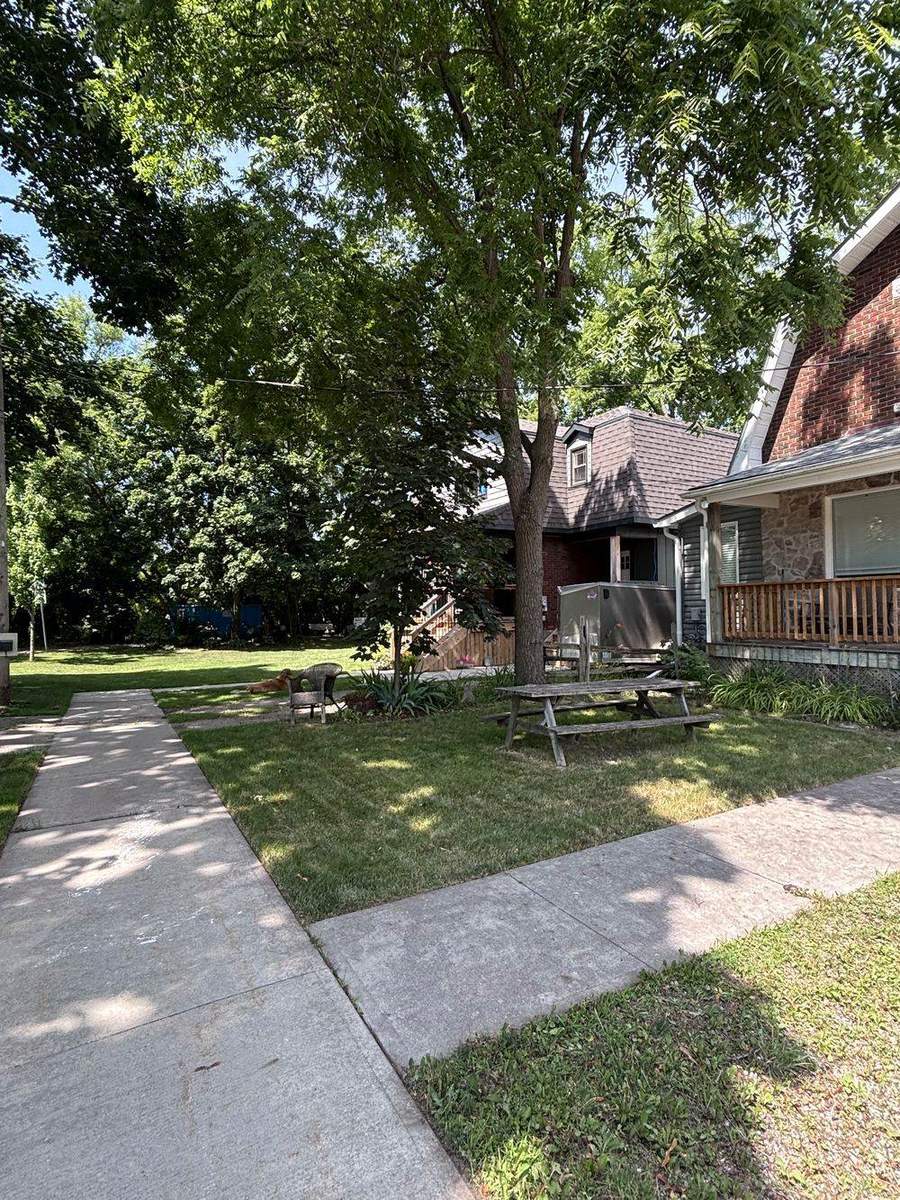
Aeration’s perfect partner
Right after aeration is the best possible moment to overseed: the open holes give seed direct soil contact, so germination rates jump. New grass fills thin patches and crowds out the weeds that need bare soil to take hold. Pair it with a fall fertilizer application and you’ve set up next spring’s lawn before winter even arrives.
Why Guelph's clay soil makes aeration worth it
Much of Guelph sits on heavy clay-loam. Add a few seasons of foot traffic, dogs, and mowers, and the top inches compact until water sheets off instead of soaking in and roots grow sideways instead of down. Core aeration pulls thousands of small plugs out of the lawn, opening channels for air, water and nutrients to reach the root zone.
The visible signs you need it: water pooling after rain, hard soil you can't push a screwdriver into, thinning grass in high-traffic paths, and thatch that feels spongy underfoot. If your lawn checks two of those boxes, aeration will do more for it than any amount of fertilizer.
Timing matters: early fall is best in Ontario — the lawn has six-plus weeks of cool growing weather to fill in, and overseeding into fresh aeration holes gives seed perfect soil contact. Spring works as a second choice. We leave the plugs on the lawn to break down naturally; they disappear within a couple of weeks and return nutrients to the soil.
Frequently asked
How do I know if my lawn actually needs aeration?
Try the screwdriver test: if you can't easily push one into moist soil, it's compacted. Pooling water, thin traffic paths, and spongy thatch are the other signs. If your lawn doesn't need it, we'll say so.
When is the best time to aerate in Guelph?
Early fall — roughly late August through early October. The lawn recovers fastest, weeds compete least, and it's the ideal window to overseed at the same time. Spring is the runner-up.
Should I overseed at the same time?
Almost always yes. Aeration holes give seed direct soil contact, which dramatically improves germination. It's the single best value pairing in lawn care.
What do I do with the plugs on the lawn?
Nothing — leave them. They break down within two to three weeks and return soil and microbes to the lawn. Raking them up throws that benefit away.
How often should a lawn be aerated?
Once a year for clay-heavy or high-traffic lawns, every two years for sandier, lightly used lawns. Guelph's soil usually puts lawns in the annual camp.
Can I mow right after aeration and overseeding?
Wait until the new seed reaches about 3 inches — usually two to three weeks — then mow high. If we're also your mowing crew, we manage that timing for you automatically.
Related services & reading
Related services: Fertilizing & Overseeding · Lawn Mowing · Spring & Fall Cleanup · All services
From our blog: Does Your Guelph Lawn Need Aeration? Three Tests to Find Out · How to Fix a Patchy, Thin Lawn in Guelph
Book aeration and overseeding in Guelph
Send your address and we’ll reply with a firm quote within 24 hours.
Get Your Free QuoteNo contracts. No cancellation fees. We reply within 24 hours — usually much faster.